DSCR Loan Checklist for Real Estate Investor Clients
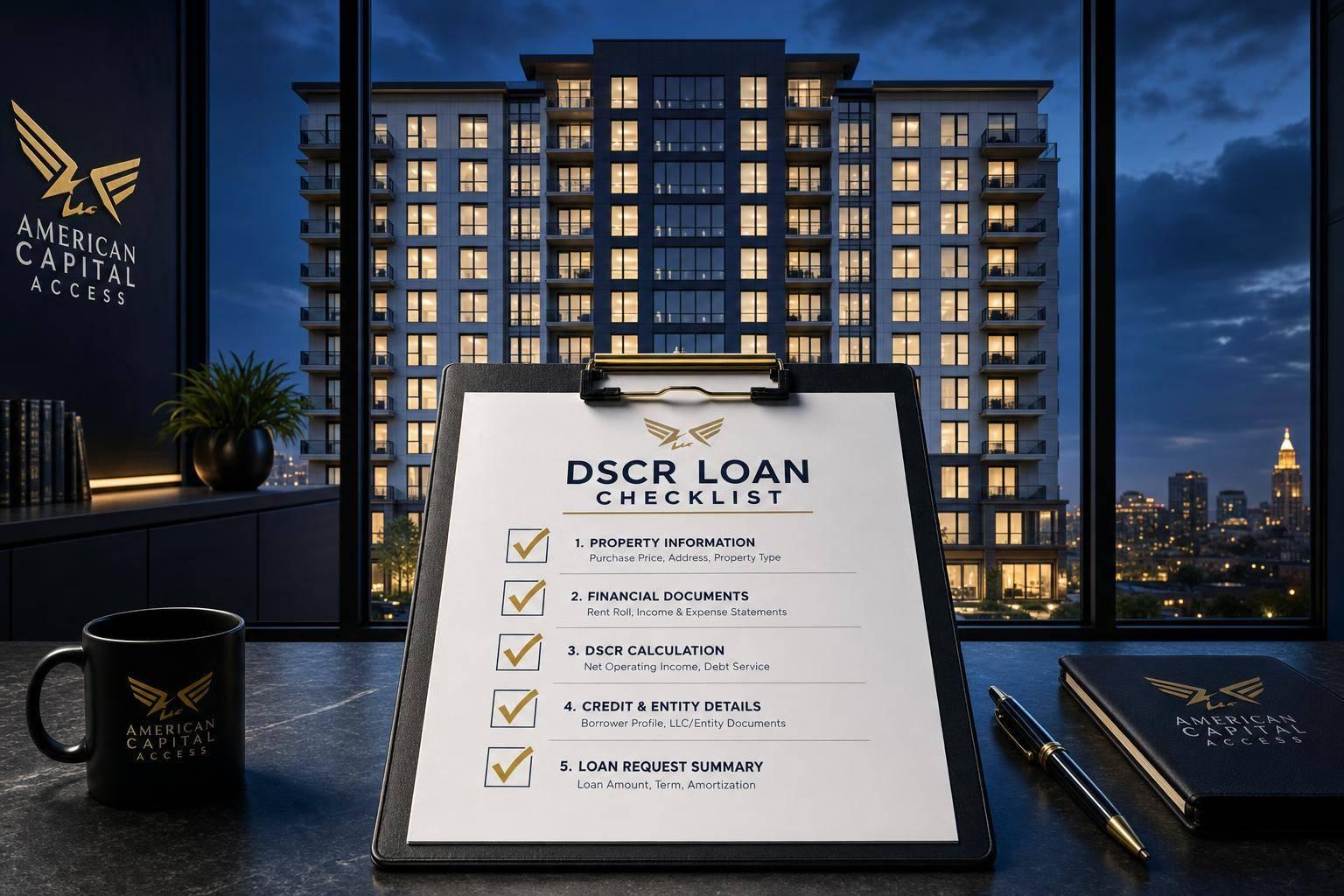
Table of contents
Most DSCR loan problems show up before underwriting. I can usually spot them by checking five things first: property use, credit and cash, rent support, DSCR math, and vesting.
Here’s the short version:
- The property must be non-owner-occupied and used for business purpose.
- Down payment is often 20%–25% on purchases.
- Cash-out refinance LTV often tops out at 75%.
- Middle credit scores often start at 620–640.
- Reserves are often 3–6 months of PITIA, and larger loans may need 6–12 months.
- A DSCR of 1.25x or more often brings the best pricing.
- A DSCR below 1.00x can cut loan options fast.
- Lease rent vs. market rent matters because lenders often use the lower figure.
- Missing LLC, title, insurance, or appraisal items can delay the file even when the DSCR works.
If I were screening a file today, 07/02/2026, I’d start with those points before asking for a full document stack. That helps me avoid bad submissions, spot weak files early, and keep the process moving with fewer conditions.
The rest of the article walks through that same order: pre-screen the deal, verify rent and PITIA, review appraisal and property limits, then package the file with the right borrower, entity, and reserve documents.

DSCR Loan Pre-Screening Checklist: 5-Step Process for Real Estate Investors
DSCR Loan Requirements - What You Need To Qualify
Pre-screen the borrower and transaction before collecting documents
A fast pre-screen can save a lot of wasted work. Before you ask for a single document, make sure the deal is even worth packaging and sending in.
Confirm the loan is for a business-purpose, non-owner-occupied property
Start with the basics: business-purpose use, non-owner occupancy, transaction type, and property eligibility.
Purchase loans usually need 20%–25% down. Cash-out refinances often cap LTV at 75% and call for 6–12 months of ownership seasoning. Eligible collateral usually includes 1–4 unit homes, condos, townhomes, and PUDs. Common deal-killers include rural properties, raw land, co-ops, manufactured homes, and 5+ unit properties.
If occupancy and property type check out, move on to credit, liquidity, and reserves.
Review credit, liquidity, and basic DSCR fit
Check the borrower's middle credit score first. Most DSCR programs start around 620–640. Pricing and leverage often get better at 660, 700, and 740+. If the borrower is only 15–20 points away from a better tier, a 30-day rapid rescore may make sense before you package the file.
Then look at recent mortgage history. A foreclosure, bankruptcy, or 90-day late payment within the last 12 months will usually stop the deal. You should also confirm the borrower has enough cash for the down payment and reserves. Standard reserve requirements are often 3–6 months of PITIA, while loans above $1.5 million often need 6–12 months. Gift funds are generally not allowed, and reserve funds should be seasoned in a verifiable account for at least 60 days.
Flag any file with a projected DSCR below 1.00 as early as possible.
If the borrower passes the credit and reserve review, the next step is title vesting.
Identify vesting and borrower structure at the start
Find out how title will be held right away. Most DSCR lenders allow vesting in an individual name, LLC, corporation, or trust.
If the borrower plans to vest in an LLC, make sure the entity is active and in good standing in the state where the property sits. Also check that the operating agreement clearly names an authorized signatory. If the LLC was formed in a different state, it must be registered there as a foreign entity.
Once the borrower, title, and property pass the pre-screen, move to rent support and verify the DSCR inputs.
Validate rental income and DSCR calculation inputs
Once the borrower and property pass pre-screen, the next step is to verify the rent support and the numbers used in the DSCR calculation.
Collect the right rent support for the property type
For tenant-occupied properties, collect a fully executed lease agreement signed and dated by both the landlord and tenant. For 2–4 unit properties, add a rent roll or a unit-by-unit breakdown. If signatures are missing, underwriting usually stops right there.
For vacant or newly acquired properties, the appraiser’s market rent analysis becomes the main support. For 1-unit properties, that’s usually shown on Form 1007.
Short-term rental files need to be handled on a separate income path. If the file is STR-eligible, gather:
- 12 months of booking history
- Platform statements from Airbnb or VRBO, or management summaries
- Any third-party validation the lender asks for
Also check that the property’s STR use is legal under local zoning and HOA rules before you submit the file.
| Property Status | Required Documentation |
|---|---|
| Long-term rental (occupied) | Signed lease + rent roll (if multi-unit) |
| Long-term rental (vacant) | Appraiser market rent analysis |
| Short-term rental (STR) | 12-month platform statements or management summaries + STR permit |
Calculate monthly DSCR using gross rent and PITIA
The formula is simple: Monthly Gross Rental Income ÷ Monthly PITIA = DSCR.
PITIA includes:
- Principal
- Interest
- Property taxes
- Hazard insurance
- Any HOA or association dues
Pull a current HOA dues statement and the most recent property tax bill. Also confirm the insurance is a landlord policy, not a standard homeowner’s policy.
A 1.25x DSCR or higher usually gets the best pricing and leverage.
A 1.00x to 1.09x DSCR usually means tighter pricing and fewer options.
If the DSCR is below 1.00x, options shrink and reserve needs usually go up.
Check whether lease rent, market rent, or the lower figure applies
Use the lower of lease rent or market rent. Compare the lease against the market rent before submission so you know which figure will drive the ratio. That small check can save a lot of back-and-forth later.
Some programs qualify STR income at 80% of documented gross revenue to account for vacancy and management costs.
Once the rent and payment inputs are locked, review appraisal support, property-type limits, and red flags before submission.
sbb-itb-0c82095
Review appraisal, property type, and red flags that affect eligibility
Once rent is locked in, shift to the collateral side of the file. This is where a lot of DSCR deals get stuck. Rent review won't show you appraisal problems, property-type limits, or title issues, so this pass matters.
Confirm appraisal scope, value, and rent schedule support
A DSCR appraisal needs the right rent schedule form. For single-family homes, that means Form 1007. For 2–4 unit properties, it's Form 1025. If those forms are missing, underwriting can't verify the market rent used in the DSCR calculation.
Order the appraisal early. In many files, it's the slowest part of underwriting.
When the report comes in, check value and coverage first. Make sure the appraised value supports the requested LTV. Confirm hazard coverage meets the appraisal's replacement-cost estimate. Review any repair comments and clear them before submission. A mismatch in any of those areas can slow the closing down. Also look for condition flags. Deferred maintenance or required repairs can lead to holdbacks or a second review.
Check flood zone status early too. If the property sits in a Special Flood Hazard Area, you need to add flood insurance to the PITIA test. That extra cost can pull the DSCR below the lender's minimum.
Screen for property-type restrictions early
Before you submit, make sure the property fits DSCR guidelines. At this point, focus on three appraisal-related eligibility checks:
- Warrantable condo status - Non-warrantable condos with pending HOA litigation, high investor concentration, or condotel features usually have a smaller lender pool and lower LTV limits.
- Rental comp availability for rural properties - Rural deals often fail when the appraiser can't support market rent with local comps. Check the area for rental comps before you order the appraisal.
- Unit count limits for 5+ unit properties - Properties with five or more units are often treated as commercial assets and may fall outside standard DSCR program guidelines.
Flag common red flags before submission
A handful of issues show up again and again in DSCR files. The good news? Most can be caught early.
The first is a rent-to-appraisal conflict. If the signed lease shows rent well below the appraiser's market rent figure, that can hurt the deal. Most programs use the lower number. So even if the property works at market rent, a below-market lease can sink the DSCR. Run the numbers both ways before you submit.
Entity and title issues are another common source of delay. If an LLC is formed in a different state from the subject property, it needs to register as a foreign entity in the property's state. That step can add 5–10 business days to the timeline. Catch it up front. Also make sure the insurance binder is issued in the LLC's name, not the borrower's personal name, if title will vest in the entity.
Then there are occupancy red flags. DSCR loans are for non-owner-occupied investment properties only. If emails, file notes, or appraisal comments hint at owner occupancy, treat that as decline risk.
After the collateral review checks out, move on to the submission package and entity documents.
Build a complete submission package for underwriting
After you finish the collateral review, put the file together with the exact documents underwriting will want. A clean package helps cut down on conditions and keeps the loan from getting stuck.
Core documents to collect before submission
Get these items before submission to help avoid extra conditions.
| Document | When It Is Needed | Purpose |
|---|---|---|
| Loan Application (Form 1003) & Credit Auth | Initial submission | Borrower intent, identity, and credit tier eligibility |
| Government-Issued ID | Initial submission | Borrower identity; name should match the contract and bank accounts |
| Purchase Contract or Payoff Statement | Initial submission | Transaction terms, price, and legal buyer entity |
| Signed Lease Agreement or Rent Roll | Initial submission | Current rental income used in the DSCR calculation |
| 2 Months Bank Statements (all pages) | Initial submission | Down payment sourcing and liquid reserves |
| Landlord Policy Binder | Pre-approval/closing | Adequate landlord policy coverage and final PITIA inputs |
| Appraisal with Form 1007 Rent Schedule | Underwriting phase | Property value and independent market rent verification |
Entity, title, and liquidity documents that prevent delays
When a file gets delayed, the problem often comes from entity vesting, title, or reserves. That’s where a lot of conditions show up.
For entity docs, collect the Articles of Organization, the Operating Agreement, and the EIN confirmation letter before submission. The Operating Agreement should clearly show the authorized signer. If the LLC was formed in a different state than the subject property, make sure it’s registered as a foreign entity in the property’s state before applying. You’ll also want a Certificate of Good Standing dated within 90 days.
For title, keep a preliminary title report and a 24-month chain of title ready. That helps verify ownership and check for liens.
For liquidity, send all pages of every bank statement, even pages marked "intentionally left blank." And if you’re using retirement funds for reserves, count only the eligible portion.
Conclusion: Use this checklist to submit cleaner DSCR loans
This checklist follows a clear order. First, confirm the property qualifies as an investment property. Next, verify rent and PITIA inputs. Then review the appraisal and any property-type issues. After that, package the file with reserves and vesting documents.
The point is simple: catch problems early, before they turn into underwriting conditions.
Brokers can use this workflow on every investor file to spot red flags sooner, gather the right paperwork up front, and move DSCR deals forward with fewer delays.
FAQs
How do I know if a property is DSCR-eligible?
A property is usually DSCR-eligible if it’s a 1–4 unit residential investment property that is non-owner-occupied.
That means DSCR loans generally don’t apply to:
- Primary residences
- Raw land
- Commercial properties with 5 or more units
The property also needs to cover its monthly debt service. The basic formula is:
DSCR = Gross Rental Income / Monthly PITIA
Most lenders want to see a DSCR of at least 1.0–1.25. If the property is vacant, lenders will usually estimate market rent with a 1007 appraisal form.
What can lower a DSCR after pre-screening?
A DSCR can drop after pre-screening if the income or debt service used at the start changes during underwriting.
Common reasons include:
- Rental income comes in lower than expected
- Taxes, maintenance, or property management costs are higher than estimated
- Interest rates or insurance premiums go up, which increases monthly debt service
Which documents should I collect first?
Start with the core borrower and property documents:
- Signed government-issued ID and credit authorization
- Purchase agreement, or a current mortgage statement for a refinance
- Current lease agreements or a rent roll if the property is occupied
You’ll also need the entity documents: Articles of Organization, Operating Agreement, and EIN confirmation.
On top of that, collect two months of bank statements to verify liquid reserves for the down payment and closing costs.
Related Blog Posts
Related Blog Posts

Why Real Estate Investors Love DSCR Loans
Explore why real estate investors prefer DSCR loans, focusing on cash flow and simplified qualification for property financing.